Nancy Reagan lived a life that crossed several very different worlds. She was an actress, wife, mother, First Lady of California, First Lady of the United States, author, advocate, and a familiar figure in American public life.
Born Anne Frances Robbins on July 6, 1921, in New York City, she later became professionally known as Nancy Davis. She spent parts of her childhood in Maryland and Chicago and developed an early passion for performing. After graduating from Smith College in 1943, she pursued acting on stage before eventually moving to Hollywood.
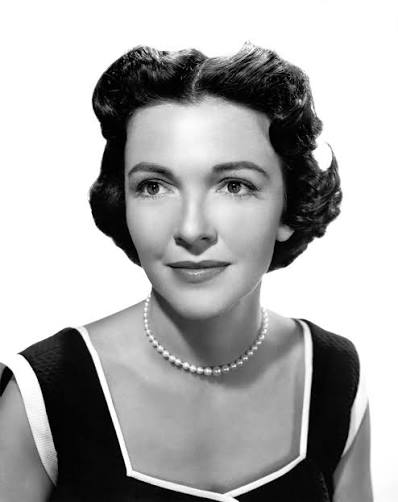
Nancy Reagan’s Years in Hollywood
Nancy Davis began her career in theater before appearing in movies and television. In 1949, she made her Hollywood film debut and later became a contract actress with Metro-Goldwyn-Mayer.
Over the course of her acting career, she appeared in eleven films, including The Doctor and the Girl, East Side, West Side, Shadow on the Wall, Night Into Morning, and Hellcats of the Navy. She also took part in several early television productions.
Hollywood was also where she met Ronald Reagan, who was then an actor and would later become the 40th President of the United States.
The two married on March 4, 1952, beginning a partnership that lasted for more than fifty years.
Family and Life in California
Nancy and Ronald Reagan had two children together, Patti Davis and Ron Reagan. Ronald also had two children, Maureen and Michael, from his earlier marriage.
Family continued to be an important part of Nancy’s life as Ronald’s career gradually shifted from entertainment toward politics.
When Ronald Reagan became governor of California in 1967, Nancy became the state’s First Lady. She participated in charitable activities and spent time visiting hospitals, veterans, children, and senior citizens.
One program especially close to her was the Foster Grandparent Program, which brought older adults together with children who could benefit from additional companionship and support.
Becoming First Lady of the United States
In January 1981, Nancy Reagan entered the White House after Ronald Reagan became president.
She quickly became one of the most recognizable First Ladies of her generation.
Her responsibilities included hosting and attending official events, participating in state dinners, supporting charitable organizations, and traveling both across the United States and internationally.
She also used her position to focus attention on several causes that were personally important to her.
The “Just Say No” Anti-Drug Campaign
Perhaps the campaign most strongly associated with Nancy Reagan was her effort to discourage drug and alcohol abuse among young people.
The initiative became widely known as “Just Say No.”
Nancy traveled across the country speaking with students, parents, teachers, and community groups about drug prevention. She appeared in television programs and public-service announcements and visited organizations involved in prevention and rehabilitation.
The campaign became one of the best-known initiatives connected with a First Lady during the 1980s.
Drug policy from that era has continued to be debated, but Nancy Reagan played a prominent role in making drug prevention a major topic of national discussion.
Her Influence on Fashion
Nancy Reagan also attracted considerable attention for her elegant fashion choices.
While living in the White House, she wore clothing created by numerous well-known American and international designers. Her gowns, suits, jewelry, and accessories became closely associated with the public image of the Reagan administration.
Interest in her wardrobe continued after her White House years, with exhibitions later displaying many of the outfits she wore during her time as First Lady.
Years Following the White House
The Reagans left Washington in January 1989 and returned to California.
Nancy remained active in public life, writing, supporting charitable causes, and continuing her work related to drug prevention. She also became increasingly involved in preserving Ronald Reagan’s presidential legacy.
In 1994, Ronald Reagan publicly announced that he had been diagnosed with Alzheimer’s disease.
Nancy remained by his side throughout the final years of his life. She also became an advocate for Alzheimer’s research and continued to support medical research more broadly.
Ronald Reagan died on June 5, 2004.
After his death, Nancy continued to honor his memory and remained connected with the Ronald Reagan Presidential Foundation and Library.
Nancy Reagan’s Later Years
During her final years, Nancy Reagan gradually stepped away from much of the public spotlight.
Although she made occasional appearances, she largely lived a quieter life while remaining an important figure for people interested in the Reagan presidency, Hollywood history, and the role of First Ladies.
Nancy Reagan died at her home in Bel Air, California, on March 6, 2016, at the age of 94.
She was laid to rest beside Ronald Reagan at the Ronald Reagan Presidential Library in Simi Valley, California.
Remembering Nancy Reagan
Nancy Reagan’s story encompasses far more than her years in the White House.
She began as a young actress pursuing a career in entertainment and eventually became one of America’s best-known First Ladies. Her life included Hollywood, California’s governor’s mansion, eight years in the White House, and more than two decades after the presidency.
To movie enthusiasts, she remains connected to the history of Hollywood.
To historians, she remains an important figure in the story of America’s First Ladies.
To those who followed the Reagan family, she is remembered as Ronald Reagan’s wife and longtime partner.
Others remember her for her advocacy work, distinctive fashion sense, and the causes she supported throughout her life.
Nancy Reagan witnessed enormous changes in American society during her nearly ninety-five years.
From the world of Hollywood to California politics, the White House, and her later years away from public office, her journey covered many chapters of American history.
She died at 94, but her legacy remains connected to both Hollywood history and the history of the American presidency.